Understanding the Difference Between Baby Blues and Postnatal Depression
From guest contributor Dr Rosie Pajak - Perinatal Psychologist and Founder of The Birth Healing Collective
Becoming a mother can bring a huge mix of emotions. Joy, love, overwhelm, anxiety, exhaustion and uncertainty can all exist at the same time.
In the early days after birth, many mums notice that their emotions feel stronger and harder to manage. You may cry more easily, feel unusually sensitive, become overwhelmed quickly or experience emotional ups and downs throughout the day.
For many women, this can be part of what is commonly known as the baby blues.
The baby blues are a very common emotional adjustment after birth, affecting most new mums during the first days and weeks postpartum. These feelings are often linked to hormonal changes, physical recovery, exhaustion and the enormous transition into caring for a newborn baby.
Although the emotions can feel intense, baby blues are usually temporary and tend to improve within the first two weeks after birth.
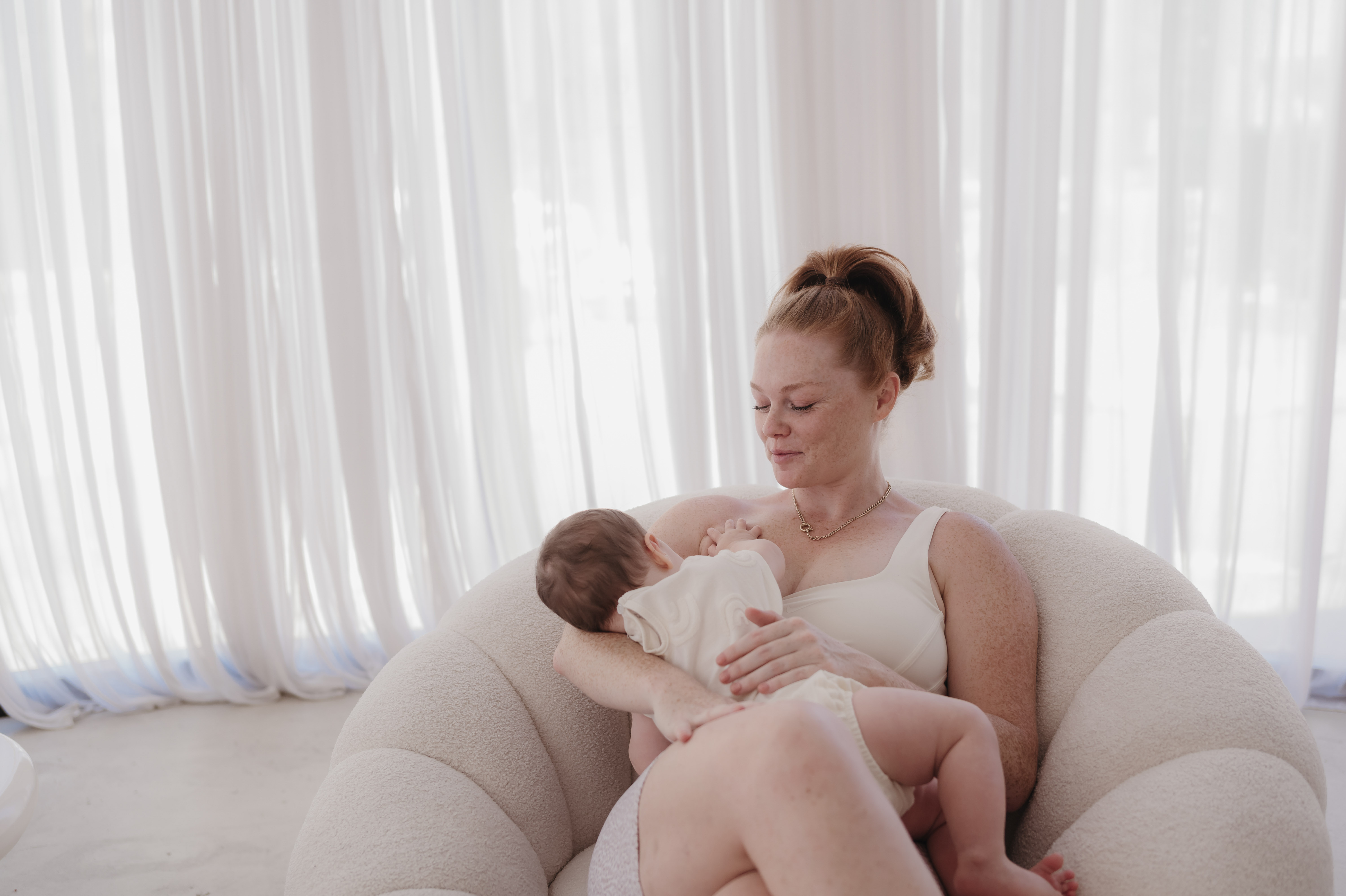
Some gentle ways to support yourself during this time can include:
- Prioritising rest and sleep whenever possible
- Accepting practical help with meals, cleaning or baby care
- Keeping expectations low during the early postpartum weeks
- Staying connected with supportive and reassuring people
- Reminding yourself that emotional ups and downs can be a normal part of adjustment after birth
While baby blues are common and temporary, postnatal depression is different.
Postnatal depression usually lasts longer and feels more persistent. It may involve ongoing sadness, loss of enjoyment, feelings of guilt or hopelessness, negative thoughts about yourself, difficulty bonding with your baby or increased anxiety that does not improve with rest or time.
Some mothers may also notice changes in appetite, sleep difficulties unrelated to the baby or a sense that they are no longer coping emotionally day to day.
Postnatal depression is not a sign of weakness, failure or being a “bad mum.” It is a real and treatable mental health condition that many women experience during the postpartum period.
If emotions are continuing for more than a couple of weeks or feel difficult to manage, it is important to reach out for support early. Speaking with a GP, maternal child health nurse or perinatal mental health professional can help you access the right care and support.
Support for postnatal depression may include:
- Psychological support and therapy
- Perinatal mental health care
- Support groups and community connection
- Practical support at home
- Strategies to improve rest and reduce overwhelm
Medication support when appropriate and recommended by your healthcare provider

Whether you are experiencing temporary baby blues or struggling with ongoing postnatal depression, support is available. You do not need to wait until things feel unbearable before reaching out for help.
Inside the Empowered Motherhood Program, you’ll find:
- Evidence-based education for pregnancy, birth and postpartum
- Expert-led support for emotional wellbeing and mental health
- Breathwork, nervous system and recovery support sessions
- Pelvic floor and core rehabilitation programs
- Tools to help you feel informed, supported and empowered throughout motherhood
- A compassionate space that recognises the emotional challenges of early parenting
Get your Free Physio-led Pelvic Floor and CoreWorkouts
Download three free videos for either pregnancy or postpartum.