Navigating Pregnancy with a History of Disordered Eating
From guest contributor Dr Rosie Pajak - Perinatal Psychologist and Founder of The Birth Healing Collective
Many women enter pregnancy carrying a complicated relationship with food, body image or weight. For some, pregnancy can bring up difficult emotions around eating, gaining weight and coping with physical changes that feel outside of their control.
While pregnancy can be an exciting time, it can also feel emotionally overwhelming if you have struggled with disordered eating, over-exercising, binge eating, purging or body image concerns in the past.
It is very common to feel torn between wanting to do what feels healthiest for your baby while also struggling emotionally with the changes happening in your body.
If this is something you are experiencing, you are not alone. Many mums find pregnancy particularly challenging when there has been a history of difficult relationships with food or weight.
Why Pregnancy Can Feel So Challenging?
Pregnancy naturally involves physical, emotional and hormonal changes. For women who have previously relied on controlling food, exercise or weight to feel safe or in control, these changes can feel especially difficult.
Many mums describe feeling conflicted:
- Wanting to nourish and care for their baby
- Feeling anxious about eating normally
- Struggling with weight gain
- Finding body changes difficult to tolerate
- Feeling overwhelmed by losing a sense of control
These feelings are more common than many people realise.
It is important to know that having these thoughts or emotions does not make you a bad mother. Pregnancy can simply bring existing struggles closer to the surface.
Talking About It Early Can Help
One of the most important things you can do during pregnancy is let a trusted health professional know what you are experiencing.
Talking openly about a history of disordered eating can feel uncomfortable, vulnerable or even shameful. Many women worry they will be judged or misunderstood.
But opening up early in pregnancy can help you build the right support around you.
This might look like saying:
“I’ve struggled with eating and body image in the past and I think pregnancy may bring some of those challenges up for me.”
Being honest about your experience allows your healthcare team to better support both your physical and emotional wellbeing throughout pregnancy.
Support may come from:
- Your GP
- Your midwife
- A psychologist
- A nutritionist or dietitian
- A trusted support person or partner
Building relationships with supportive professionals throughout pregnancy can help you feel safer, more understood and less alone.
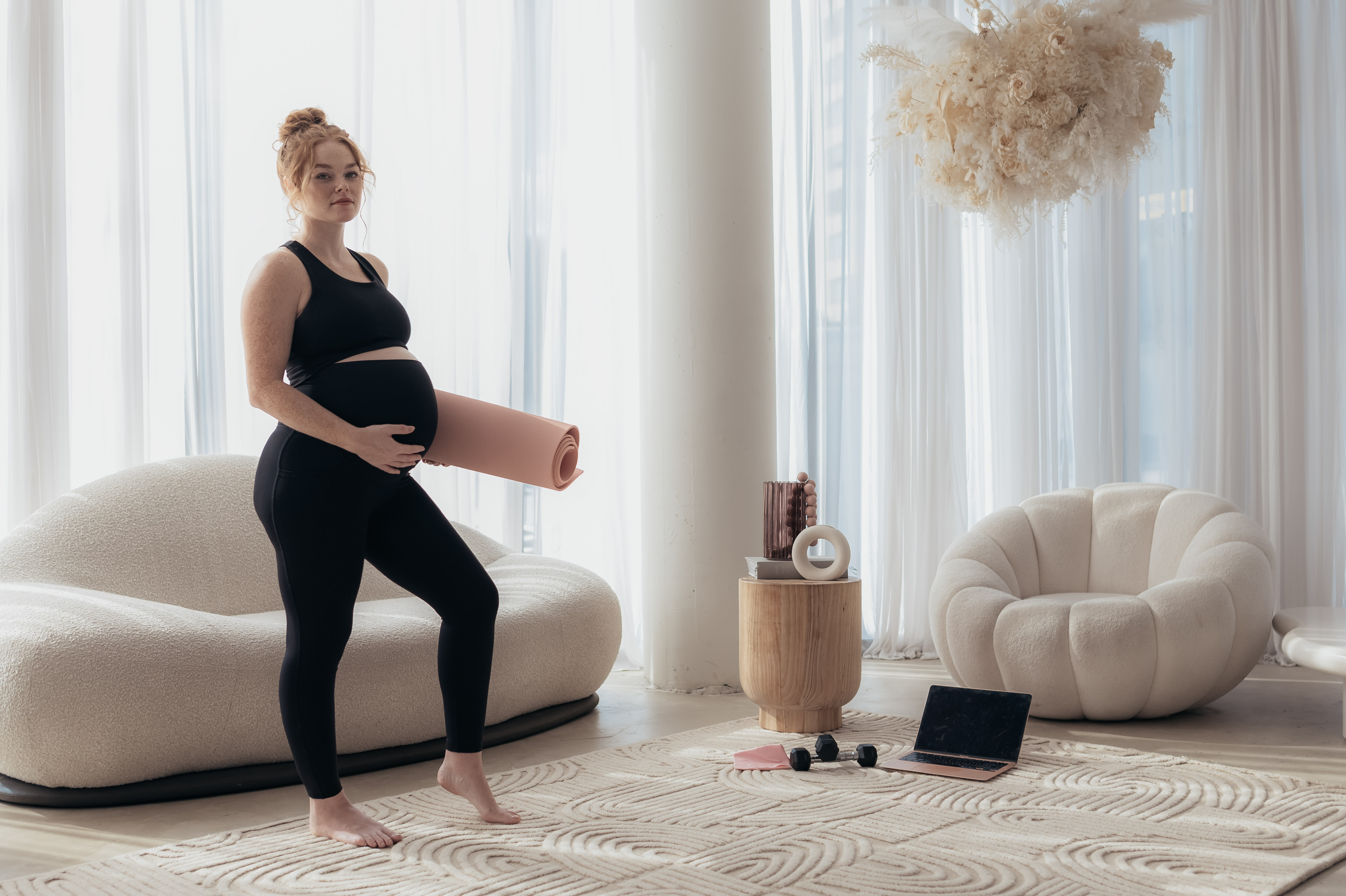
Support During Pregnancy
Many women are able to make positive changes to eating behaviours during pregnancy because they feel motivated to care for their baby’s health.
At the same time, the emotions underneath those behaviours can still feel incredibly difficult.
Even if healthy eating habits improve, many mums still experience:
- Anxiety around weight gain
- Fear of losing control
- Stress around body changes
- Difficult thoughts about food or appearance
- Pressure and unrealistic expectations of motherhood
This emotional side of the experience is important and deserves support.
Working with a psychologist who understands eating disorders can help you manage anxiety, cope with difficult emotions and begin building a healthier relationship with your body during pregnancy.
Some women may also find it helpful to:
- Create a structured eating plan with a nutritionist
- Build stronger emotional support systems
- Develop realistic expectations about motherhood
- Learn coping strategies for anxiety and stress
- Practise nurturing and self-care
- Improve communication with their partner or support network
Support is not just about food. It is also about helping you feel emotionally safe, supported and prepared.
The Importance of Ongoing Support After Birth
For some women, pregnancy can temporarily feel easier because there is a strong focus on caring for the baby.
However, the postpartum period can sometimes bring new challenges.
After birth, many mums experience pressure to “bounce back” physically or return to their pre-pregnancy body. This can cause old thoughts, behaviours or anxieties around eating and body image to resurface.
Being aware of this possibility and planning ongoing support after birth can be incredibly important.
You deserve care and support not only during pregnancy but also throughout postpartum and early motherhood.
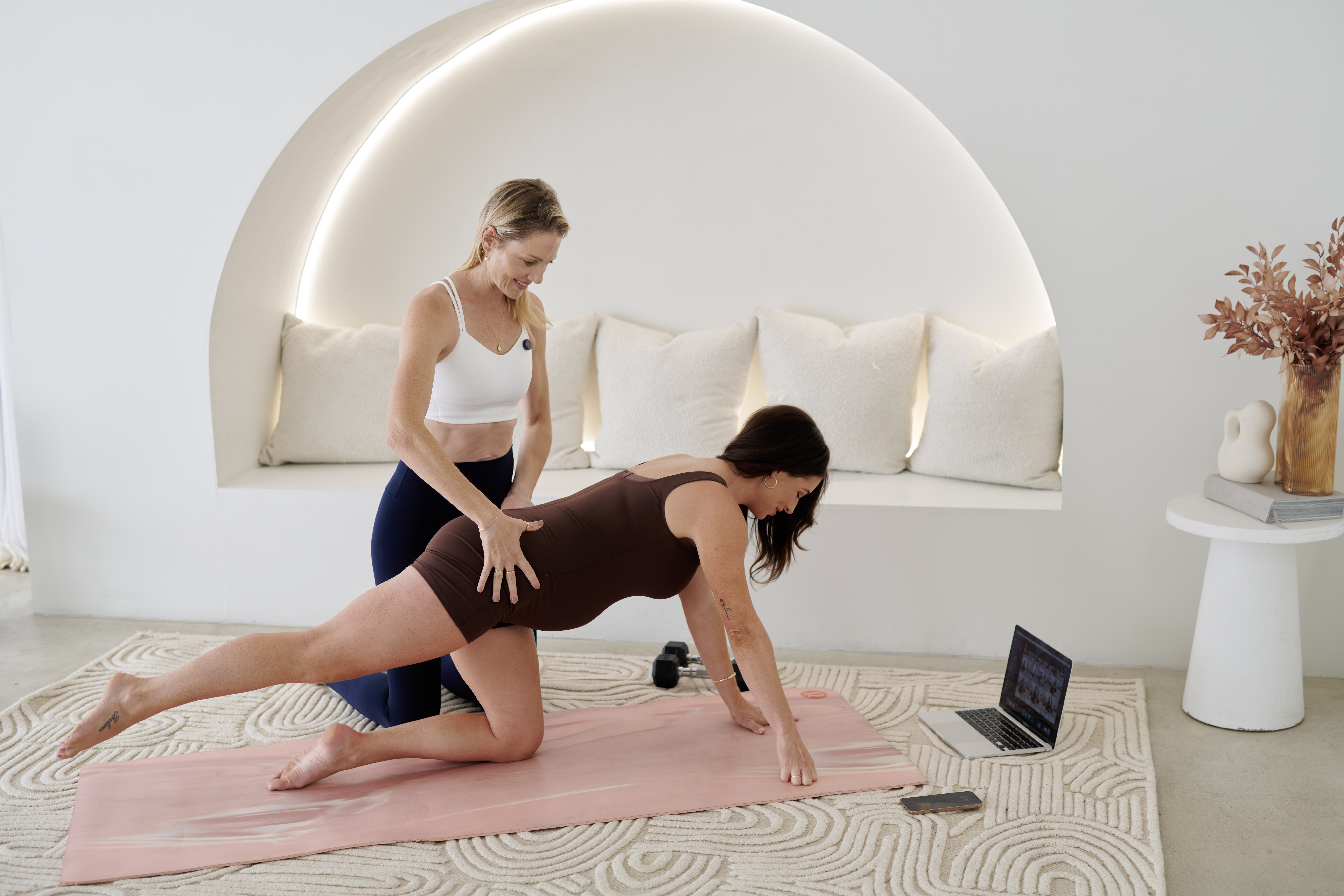
Pregnancy Can Also Be an opportunity for Healing
Although pregnancy can be emotionally difficult, it can also become an opportunity to begin changing your relationship with your body.
Many women find that pregnancy helps them reconnect with their body in a different way by recognising what their body is capable of doing for both themselves and their baby.
Over time, this can create space for healing, self-understanding and a more compassionate relationship with yourself.
Support is Available
Get your Free Physio-led Pelvic Floor and CoreWorkouts
Download three free videos for either pregnancy or postpartum.