After a Traumatic Birth: When Might You Feel Ready Again?
From guest contributor Dr Rosie Pajak - Perinatal Psychologist and Founder of The Birth Healing Collective
After experiencing a traumatic birth, deciding whether to have another baby can feel incredibly complicated. While there may still be love, hope and a desire to grow your family, the thought of going through pregnancy and birth again can also bring fear, anxiety and emotional overwhelm.
For many parents, a difficult pregnancy, traumatic birth or challenging postpartum experience can leave lasting emotional impacts. Even when the desire for another child is there, reopening the door to those memories can feel frightening and emotionally exhausting.
These feelings are valid and more common than many people realise. Healing after birth trauma takes time, and readiness for another pregnancy is not something that can be rushed or decided by anyone else.
How do you know if you're ready for another baby?
There is no perfect timeline for deciding when to try again after a traumatic birth.
Readiness is deeply personal and often comes from within. Many parents describe it as a gradual feeling of emotional strength, stability or hope beginning to return over time.
You may still carry fear about what could happen in another pregnancy or birth, but feeling ready often means you feel more capable of facing those possibilities with support, preparation and trust in yourself.
For some people, this takes months. For others, it may take years. There is no “right” timeline for healing.
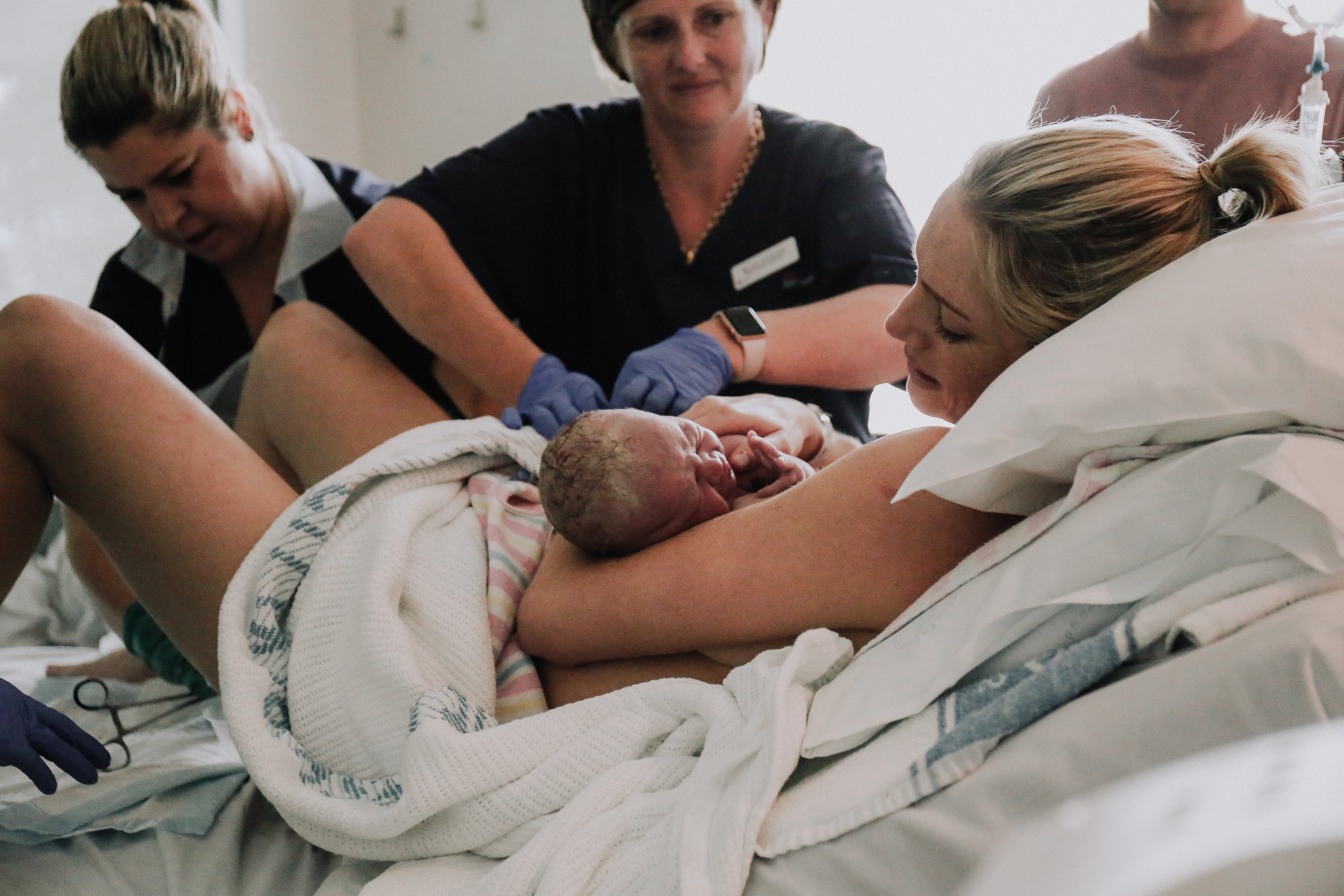
Why birth trauma can make another pregnancy feel scary
Traumatic birth experiences can leave emotional wounds that affect how parents feel about future pregnancies.
It is common to experience:
- Fear of going through another traumatic experience
- Anxiety about pregnancy or birth
- Emotional distress when thinking about the previous birth
- Fear of losing control during labour
- Difficulty trusting the medical system again
- Worry about coping emotionally postpartum
- Strong emotional reactions when seeing hospitals, birth photos or hearing conversations about childbirth
Healing from trauma does not mean forgetting what happened. It means reaching a place where the memories no longer feel as emotionally overwhelming or consuming.
Sign you may need more time and support
Sometimes parents feel pressure from others, timelines or expectations around family planning. But emotional readiness cannot be forced.
You may benefit from more support if you notice:
- Intense anxiety when thinking about pregnancy or birth
- Feeling emotionally triggered by reminders of your previous experience
- Avoiding conversations about childbirth entirely
Ongoing fear, panic or distress connected to your birth story - Feeling emotionally unprepared to go through the experience again
Seeking support during this stage can help create space for healing before entering another pregnancy.

Steps to help feel more prepared for another pregnancy after a traumatic birth
There is no single solution for postnatal depression, but small supportive steps can make a meaningful difference.
1. Learn ways to manage anxiety
It is normal to feel anxious during pregnancy after a traumatic birth experience.
Rather than trying to ignore those emotions, it can help to learn ways to manage them gently and intentionally. Understanding how anxiety affects the body and learning calming strategies can make the experience feel more manageable.
This may include:
- Practising grounding techniques
- Learning calming tools for anxious thoughts
- Creating emotional support systems
- Working with a mental health professional
- Giving yourself permission to slow down when needed
Managing anxiety does not mean eliminating fear entirely. It means building confidence in your ability to cope with difficult emotions when they arise.
2. Process the previous birth experience
Healing from birth trauma often involves properly processing what happened emotionally and psychologically.
When trauma is left unprocessed, memories can continue to feel raw, intense and emotionally activating long after the experience is over.
Working through the experience with a trauma-informed professional can help parents:
- Understand their emotional responses
- Reduce feelings of panic or fear
- Process difficult memories safely
- Build a more compassionate perspective toward themselves
- Feel less emotionally triggered entering another pregnancy
This process does not erase the memory of the birth. Instead, it can help the experience feel less emotionally consuming and easier to carry moving forward.
3. Create a supportive birth plan
Practical preparation can also help parents regain a sense of safety and control.
For many families, this may involve carefully choosing a supportive care team, creating a birth plan or discussing preferences openly with healthcare providers.
Feeling heard, respected and supported throughout pregnancy and birth can make a significant difference emotionally.
Planning ahead for postpartum support can also help reduce fear surrounding the transition after birth. Knowing who can help, what support systems are available and how care will be shared can create a stronger sense of confidence moving forward.

Why hope and support matter
One of the most important parts of healing after birth trauma is rebuilding hope.
Many parents begin to feel more ready for another baby when they start believing that a different experience is possible and that there are things they can do to support themselves emotionally and practically throughout the journey.
Support can make a meaningful difference.
Get your Free Physio-led Pelvic Floor and CoreWorkouts
Download three free videos for either pregnancy or postpartum.