Pregnancy Workouts: What’s Safe in Each Trimester?
Pregnancy Workouts: What’s Safe in Each Trimester?
We know that pregnancy exercise advice can feel confusing.
Pregnancy exercise advice can range from “it's safe to keep doing what you were doing before.” To "try not to lift anything heavier than a shopping bag'. Which is especially tough it you have a toddler at home. Online advice is even more confusing.
Should I be doing heavy weights, light weights, pilates, reformer, yoga, walking, cycling, swimming.... none of it, or all of it?
The truth is much more nuanced.
For most women with an uncomplicated pregnancy, exercise is not only safe, it can be incredibly beneficial. But the type of exercise that feels good, supports your body and makes sense for your symptoms will often change as your pregnancy progresses.
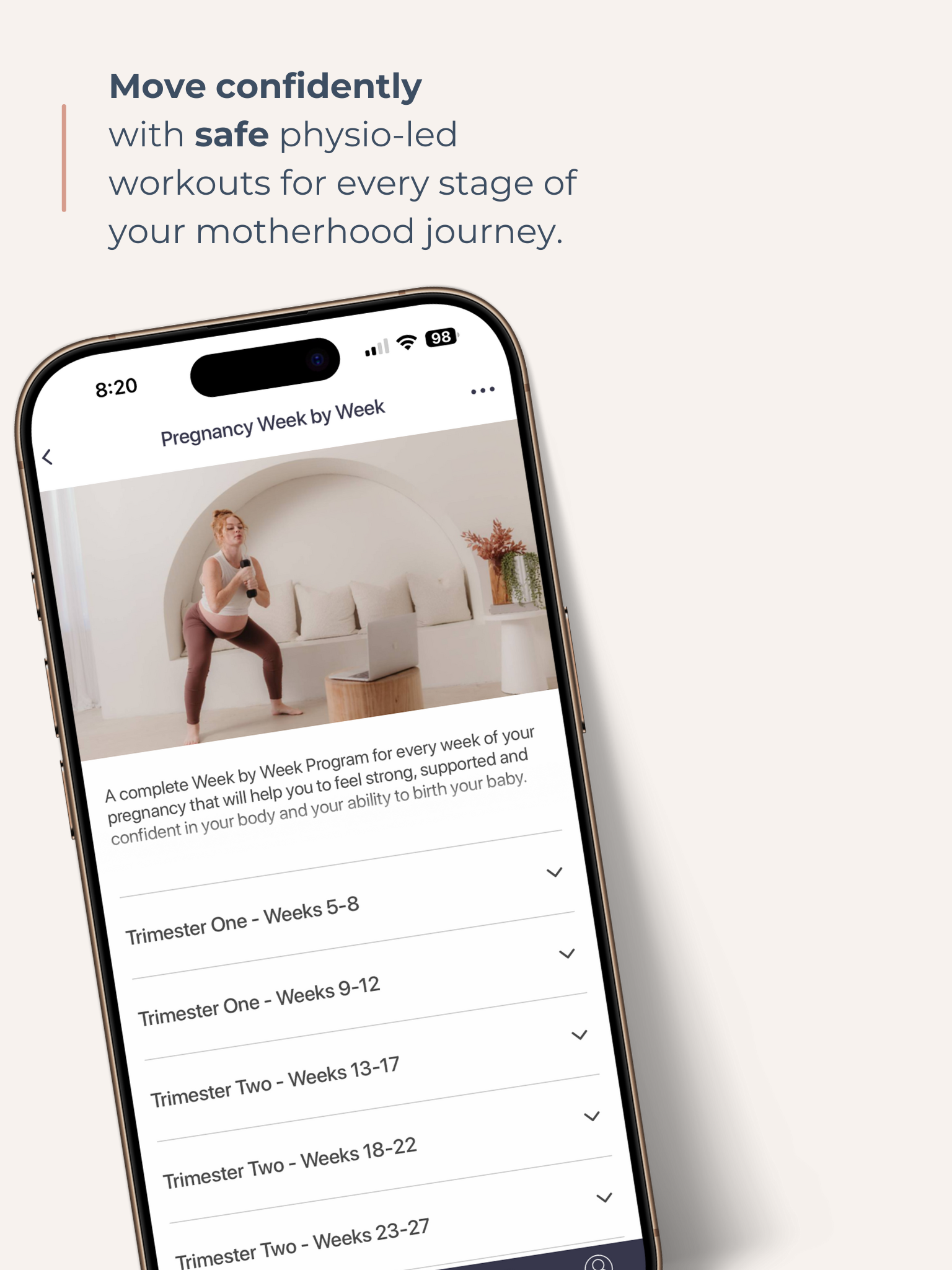
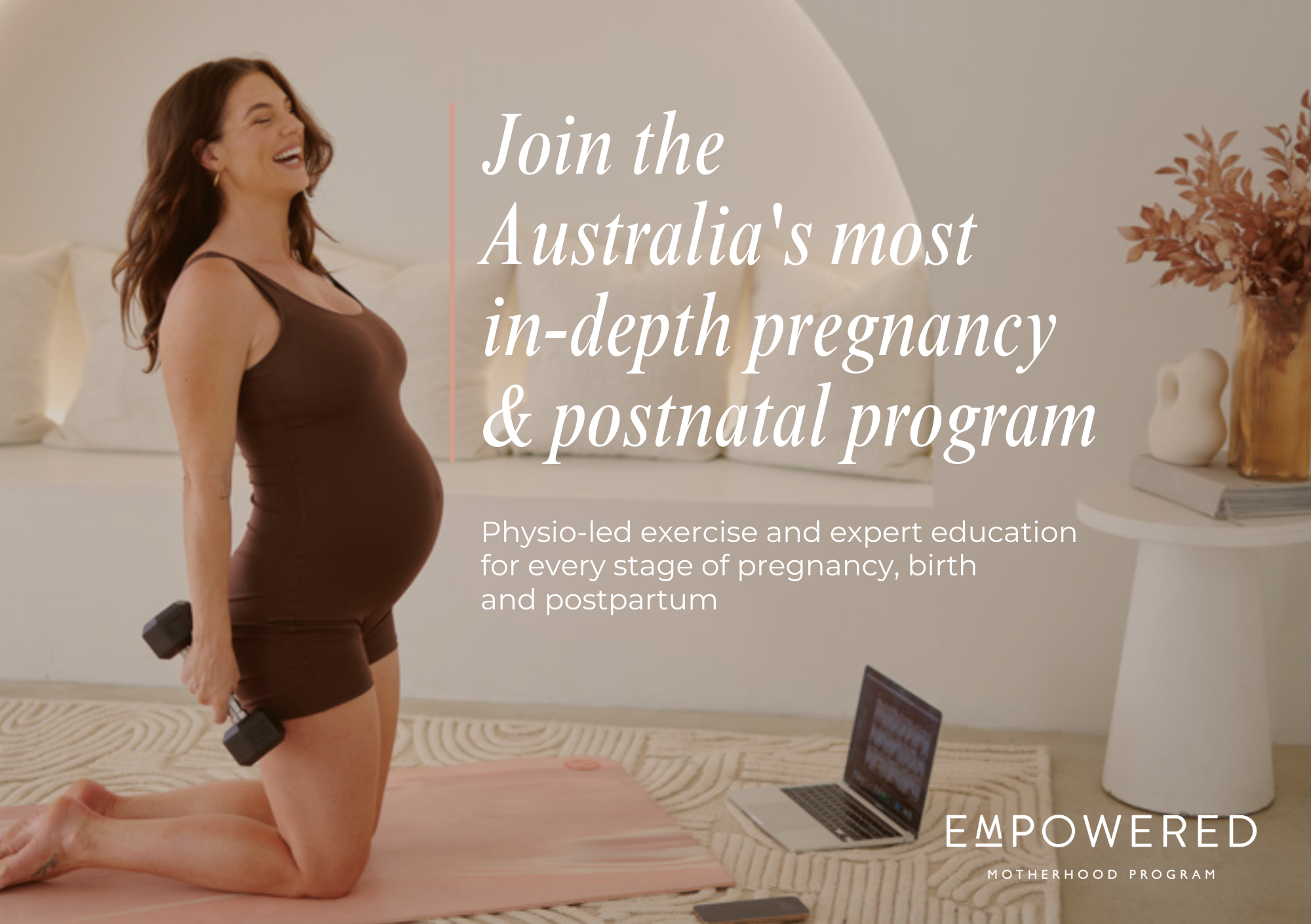
That’s why inside the Empowered Motherhood Program, our pregnancy workouts are not just “pregnancy safe”. They are programmed by women's health experts into safe week by week programs for each trimester, so you can choose the workout that actually suits your body today.
Because we all know that the workout you need at 8 weeks with nausea and exhaustion is probably not the same workout you need at 34 weeks with pelvic heaviness, reflux and a baby sitting under your ribs.
So, what is actually safe in each trimester?
First Trimester Workouts
The first trimester can be strange because your body may not look very pregnant yet, but you can feel completely different.
You might be exhausted. You might feel nauseous. Your breasts may be sore. Your heart rate may feel like it rises faster than usual. You might feel anxious about doing “the wrong thing.”
In the first trimester, the goal is to keep moving in a way that feels supportive, sustainable and which lays the foundations for a strong pregnancy.
For many women, this is the trimester where a shorter, gentler workout is far more effective than trying to force yourself through your old routine.
What’s usually safe in the first trimester?
For most women, first trimester exercise can include:
- gentle to moderate strength training
- pregnancy-safe Pilates
- walking
- yoga and mobility
- pelvic floor exercises
- low-impact cardio
- core work that focuses on breath, deep abdominal connection and control
The key is to listen to your symptoms and adjust the intensity.
You do not need to “push through” morning sickness, dizziness or extreme fatigue. Some days your workout might be 10 minutes. Some days it might be a walk. Some days it might be rest.
EMP first trimester workout ideas
Inside EMP, first trimester members can start with workouts like:
Trimester One Gentle Strength
A gentle strength option when you want to move your body without going too hard.
Trimester One Upper Body and Core
A shorter Pilates-based option for women who want to feel connected to their core without doing traditional ab exercises.
Trimester One Full Body Tone
A moderate Pilates option using a ball and weights for a full-body session.
Gentle Yoga Flow
A softer option for days when your body needs movement, but not intensity.
Yoga for Morning Sickness
A great choice for those early weeks when nausea is affecting how much you feel able to do.
Pregnancy Pelvic Floor Activation
A foundational pelvic floor session to help you start connecting with your pelvic floor early in pregnancy.
Activate and Go
A short, gentle all-trimester Pilates option for days when you want something quick and achievable.
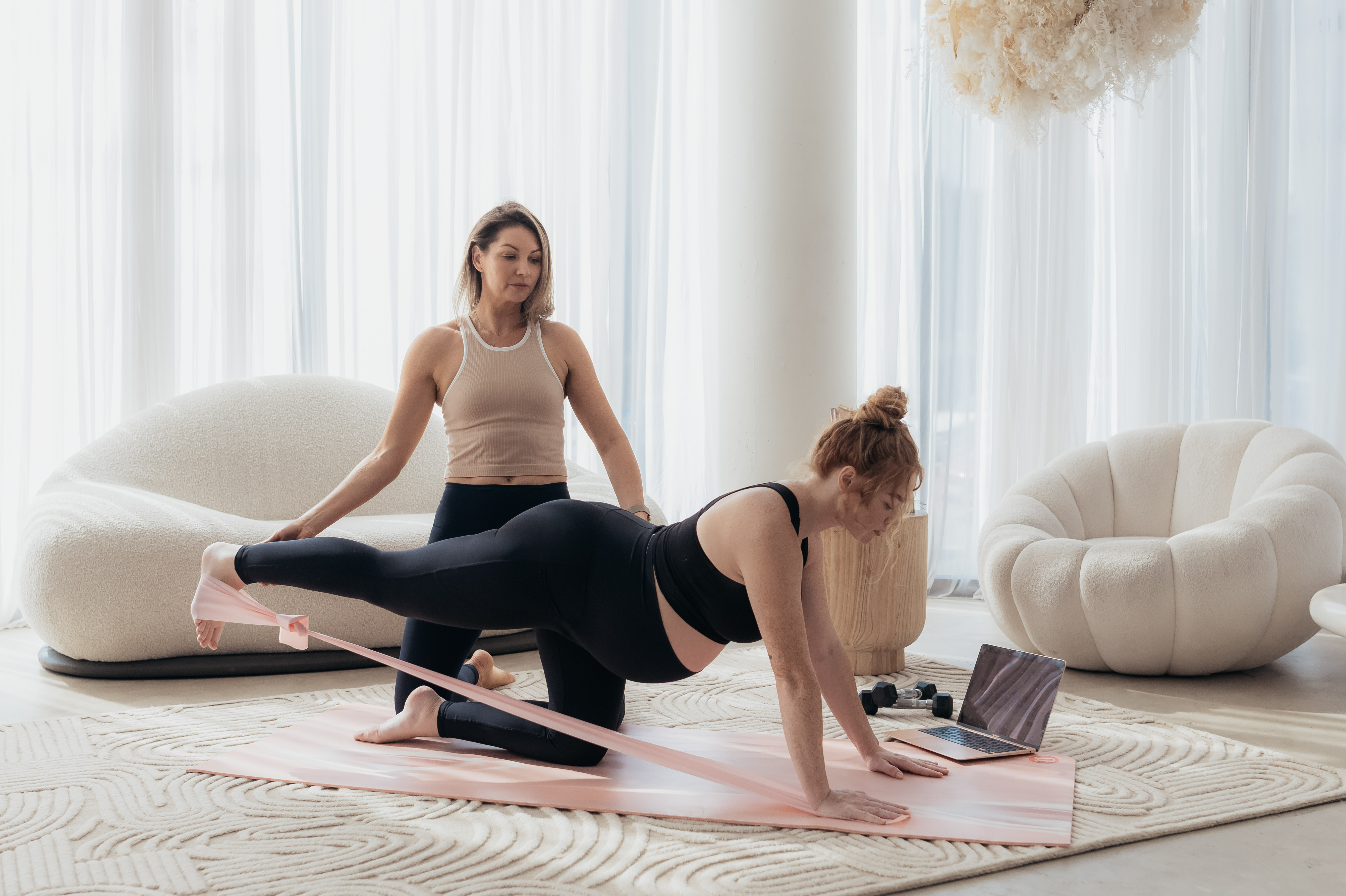
Second Trimester Workouts
For many women, the second trimester is when your energy starts to return.
Nausea may ease. You might feel more comfortable moving again. Your bump is growing, but you may not yet feel as heavy or restricted as you do later in pregnancy.
This can be a beautiful window to build strength, improve pelvic stability, support your posture and prepare your body for the demands of late pregnancy, birth and early postpartum.
But this is also the trimester where your body mechanics start to change.
Your centre of gravity shifts. Your abdominal wall begins to lengthen. Your pelvis may feel more vulnerable. Some women start to notice pelvic girdle pain, pubic pain, lower back pain or leaking.
So while you may feel more energetic, your workouts need to be pregnancy-specific.
What's usually safe in the second trimester?
Second trimester workouts can often include:
- moderate strength training
- prenatal Pilates
- glute and hip strengthening
- upper and lower body strength
- pelvic floor exercises
- low-impact cardio
- gentle core and deep abdominal work
- mobility, stretching and yoga
- pelvic girdle pain modifications if needed
This is usually a good time to move away from traditional core exercises like sit-ups, crunches and aggressive planks, and instead focus on deep core connection, breathing, posture, glutes and functional strength.
EMP second trimester workout ideas
Inside EMP, second trimester members can choose from a wide range of pregnancy-specific workouts, including:
Prenatal Pilates 2
A longer moderate Pilates option using band and weights.
Prenatal Core Essentials
A gentle core-focused Pilates workout using ball and band, designed to help you connect with your deep core safely.
Pregnancy Core and Glute Signature
A moderate Pilates workout focused on core and glutes - ideal for women wanting strength and support through the pelvis.
Pilates for Core Strength 1 and 2
Pregnancy-safe core strength options using bands and weights.
Find Your Glutes
A gentle all-trimester option using fit ball and band - perfect if you are trying to support your pelvis, hips and lower back.
Glute Burn 1 and Glute Burn 2
Moderate glute-focused workouts to help build pelvic and hip support.
EMP Signature Workout
A moderate all-trimester strength workout using weights.
Gentle Trimester Two Upper Body Strength
A shorter strength session for upper body posture and strength.
Gentle Trimester Two Lower Body Strength
A short lower body option using weights.
Cardio Blast
A short moderate cardio option for days when you want to feel energised without committing to a long session.
Morning Yoga Flow
A gentle yoga option for mobility, breath and body awareness.
What if you have pelvic girdle pain?
If you start to feel pubic pain, sacroiliac joint pain, one-sided pelvic pain or pain with walking, stairs, rolling in bed or standing on one leg, you may need more specific modifications.
Inside EMP, we have a dedicated pelvic girdle pain workout pathway, including:
Pelvic Pain Education
To help you understand what may be contributing to your pain and how to modify daily movement.
Strength for Pelvic Girdle and Back Pain
A strength-based option designed to support the pelvis and back.
Physio Pilates for Pubic Pain
A Pilates session specifically for women experiencing pubic symphysis discomfort.
Pilates for Pelvic Girdle Pain
A gentler option when you need to keep moving but reduce load and irritation.
Pelvic Girdle Pain Safe Yoga
A yoga option created with pelvic pain in mind.
Pelvic Girdle Pain Safe Cardio
For women who want a cardio option without aggravating pelvic symptoms.
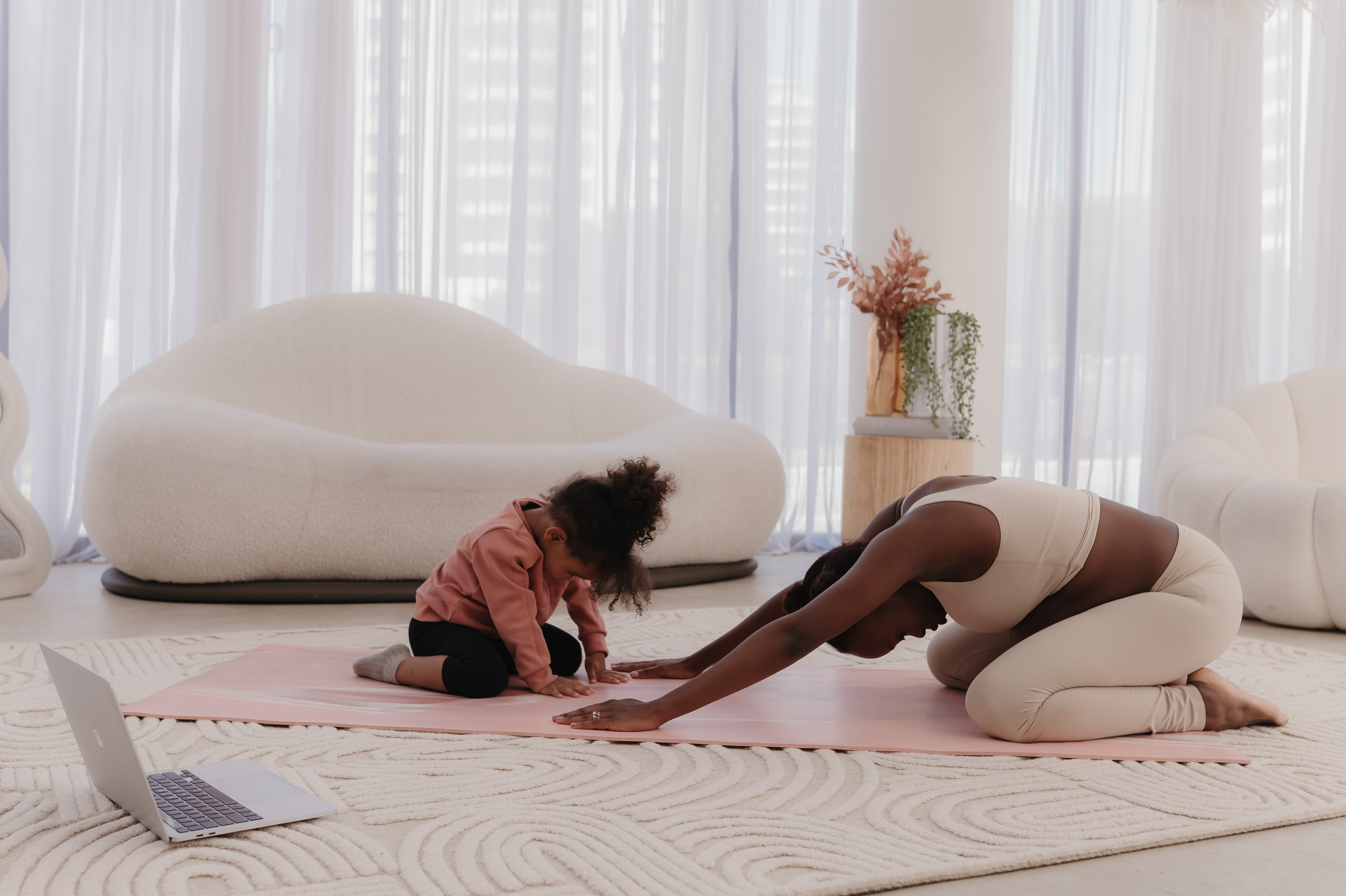
Third Trimester Workouts
The third trimester is often when women start asking, “What can I still do?”
Your bump is bigger. Sleep may be harder. You may feel heavier. Your ribs, back, pelvis or hips might be uncomfortable. You might be preparing for birth and wondering whether exercise can still help. It definitely can.
Third trimester workouts are less about intensity and more about preparing your body for birth and postpartum recovery.
What's usually safe in the third trimester
Third trimester workouts may include:
- moderate strength training with modifications
- prenatal Pilates and mobility
- pelvic floor exercises including preparing your pelvic floor for birth
- birth preparation movement
- glute and hip work
- upper body strength
- gentle yoga
- stretching and release work
- breathing and relaxation
- low-impact cardio if it feels good
You may need to modify positions, reduce time lying flat on your back, widen your stance, slow transitions, reduce load or choose shorter sessions.
You may also need more rest. This is a time to really tune in and listen to your body.
EMP third trimester workout ideas
Inside EMP, third trimester members can choose workouts like:
Pilates for Exhaustion
A gentle Pilates option for days when you want to move, but your energy is low.
Stability and Mobility
A gentle workout designed to support mobility and body control.
Trimester Three EMP Signature
A moderate strength workout using weights, created specifically for the third trimester.
Trimester Three Full Body Strength
A practical 18-minute strength option when you want a full-body session without overcommitting.
Trimester Three Upper Body Strength
Great for posture, feeding preparation and upper body endurance.
Trimester Three Lower Body Strength
A lower body strength option to support your legs, hips and pelvis.
Prenatal Pilates and Mobility
A gentle third trimester Pilates and mobility session using a resistance band.
Labour Preparation Class
A moderate strength-based class with a birth preparation focus.
Pregnancy Fascial Release and Stretch
A gentle all-trimester option for releasing tension and supporting comfort.
Evening Restorative Yoga
A softer choice for winding down, calming the nervous system and easing into rest.
Rest and Digest Yoga Flow
A gentle yoga flow for days when your body needs less effort and more support.
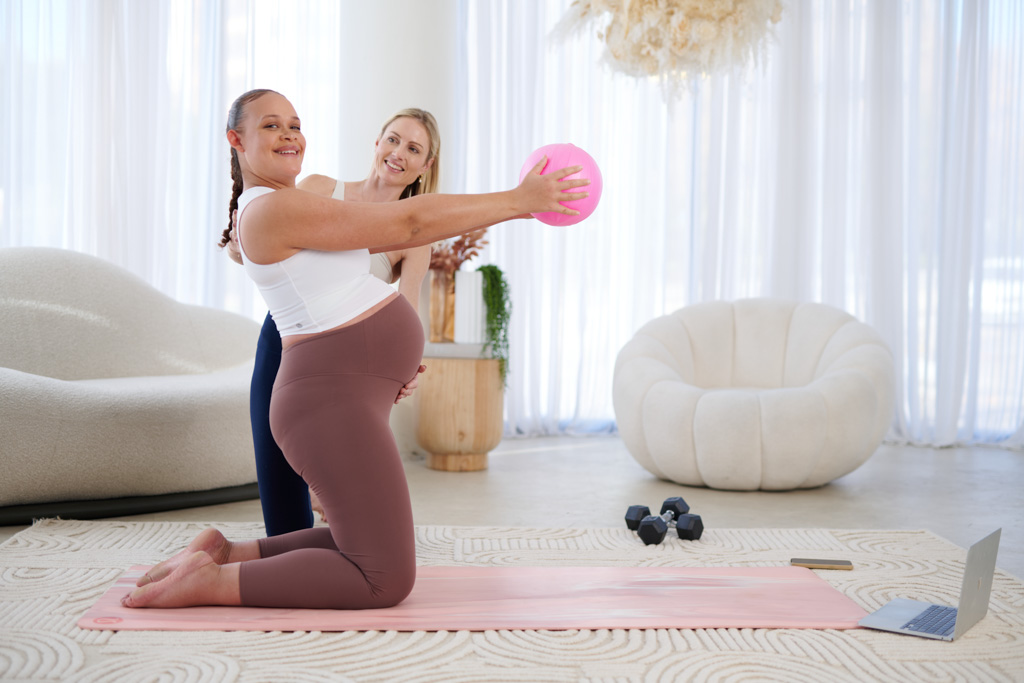
What pregnancy workouts should you avoid?
This depends on your body, pregnancy, symptoms and medical history, but many women will need to modify or avoid:
- high-risk contact sports
- activities with a high risk of falling
- overheating
- holding your breath or straining
- exercises that cause pain, heaviness, leaking or pressure
- aggressive abdominal exercises like crunches or sit-ups
- long periods lying flat on your back if it makes you feel dizzy, nauseous or unwell
- anything your healthcare provider has specifically advised against
Please do not ignore symptoms. Stop exercising and seek medical advice if you experience symptoms such as vaginal bleeding, dizziness, chest pain, calf pain or swelling, regular painful contractions, fluid leaking, severe shortness of breath before exertion, or anything that feels concerning for you.
Pregnancy exercise should be supportive, not scary.
How many pregnancy workouts should you do each week?
Many pregnancy exercise guidelines recommend aiming for around 150 minutes of moderate-intensity physical activity per week, if you have an uncomplicated pregnancy and no contraindications.
But this does not mean you need to do five perfect 30-minute workouts every week.
A realistic pregnancy week might look like:
- 2 strength or Pilates workouts
- 1 pelvic floor session
- 1 yoga or mobility session
- 1–2 walks
- short stretching, breathing or birth preparation sessions as needed
Inside EMP, we make this easier by giving you options based on time, trimester and symptoms. Some workouts are under 15 minutes. Others are 15–30 minutes or longer. Some are gentle. Some are moderate. Some are more advanced for women who were already active and feel confident continuing with appropriate modifications.
You do not have to guess.
You can choose what suits your body, your symptoms and your stage of pregnancy.
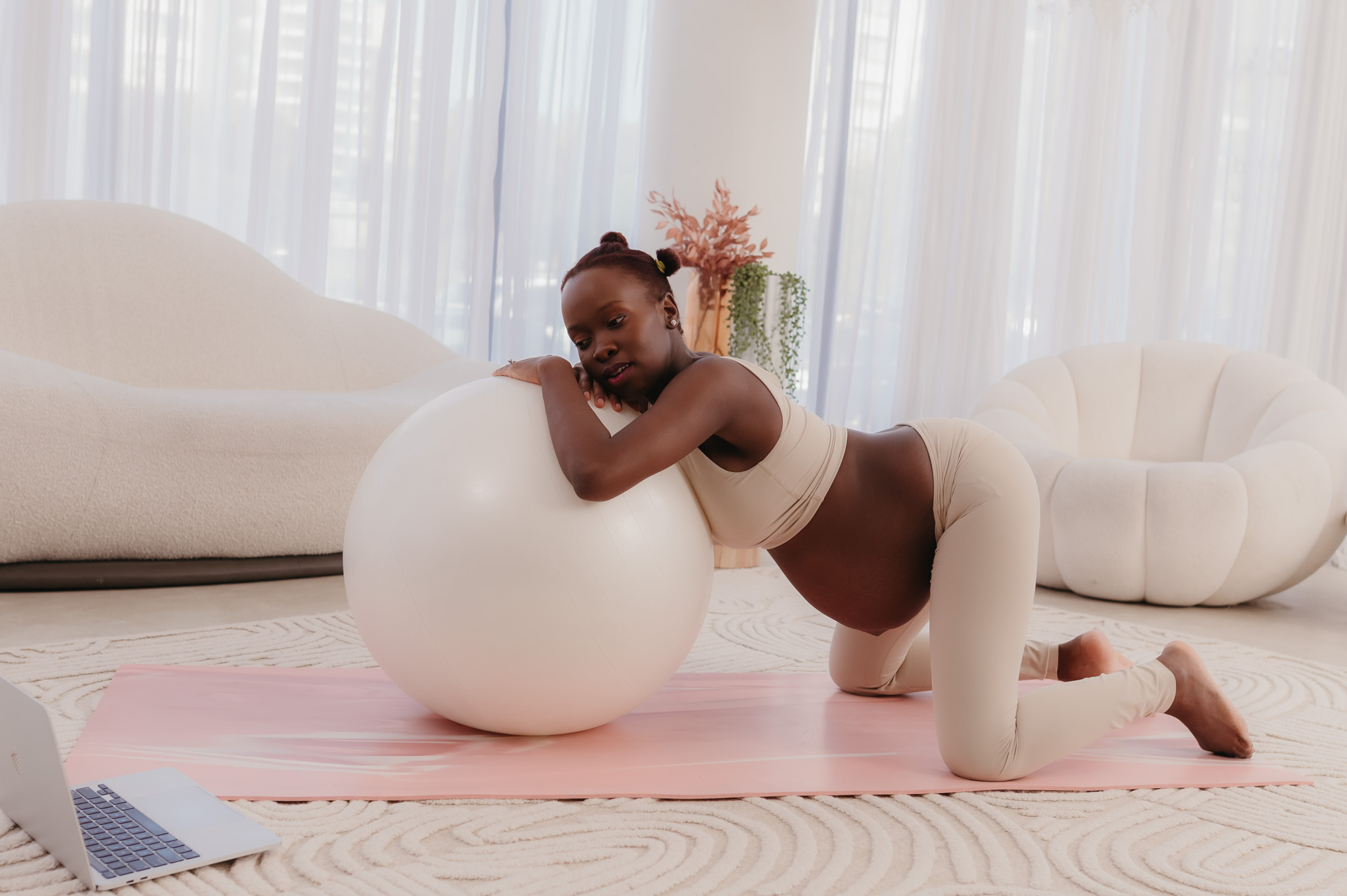
The Empowered Motherhood Program includes trimester-specific workouts, pelvic floor sessions, pregnancy-safe core work, strength, Pilates, yoga, cardio, pelvic girdle pain support and birth preparation - all created by women’s health professionals who understand that pregnancy is not one-size-fits-all.
Get your Free Physio-led Pelvic Floor and CoreWorkouts
Download three free videos for either pregnancy or postpartum.