Pregnant Again? 10 Practical Ways to Prepare Your Body and Mind for Baby #2
From EMP Founder and a Titled Women's Health Physiotherapist Lyz Evans
Preparing for your second pregnancy can feel very different from preparing for your first.
This time, you're balancing pregnancy alongside the demands of caring for another child. You may also be carrying memories from your first pregnancy, birth or postpartum experience that shape how you're feeling about doing it all again.
Whether your first experience went smoothly or came with unexpected challenges, there are many things you can do to support your body, mind and pelvic health before welcoming another baby.
Here are ten practical ways to help prepare for your second pregnancy.
1. Prioritise regular exercise
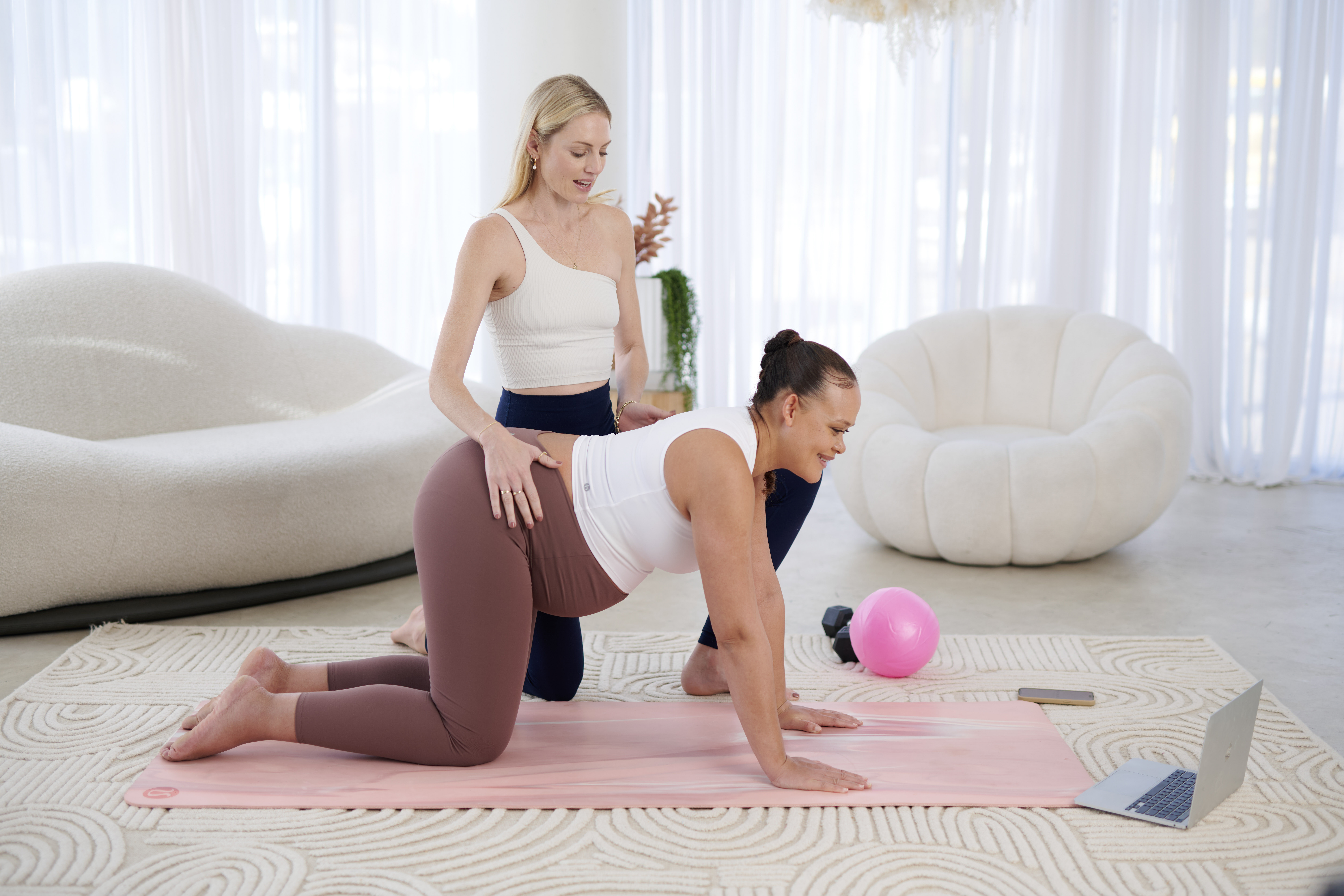
Staying active during pregnancy supports both your health and your baby's development.
Current guidelines recommend aiming for around 30 minutes of movement most days, including two strength-based sessions each week. Regular exercise may also help reduce pregnancy aches and pains, improve energy levels and prepare your body for birth and recovery.
Finding time can feel difficult when you're already caring for a child, but even short, consistent sessions can make a meaningful difference.
2. Reflect on your first birth experience
Your first birth can influence how you feel about future pregnancies.
Take some time to think about what went well and whether there are aspects of your experience you'd like to approach differently this time.
If your birth was difficult or traumatic, talking with a trusted healthcare professional or counsellor can help you process your experience and prepare emotionally for another birth.
Remember, every pregnancy and birth is different, and your next experience does not have to look the same as your first.
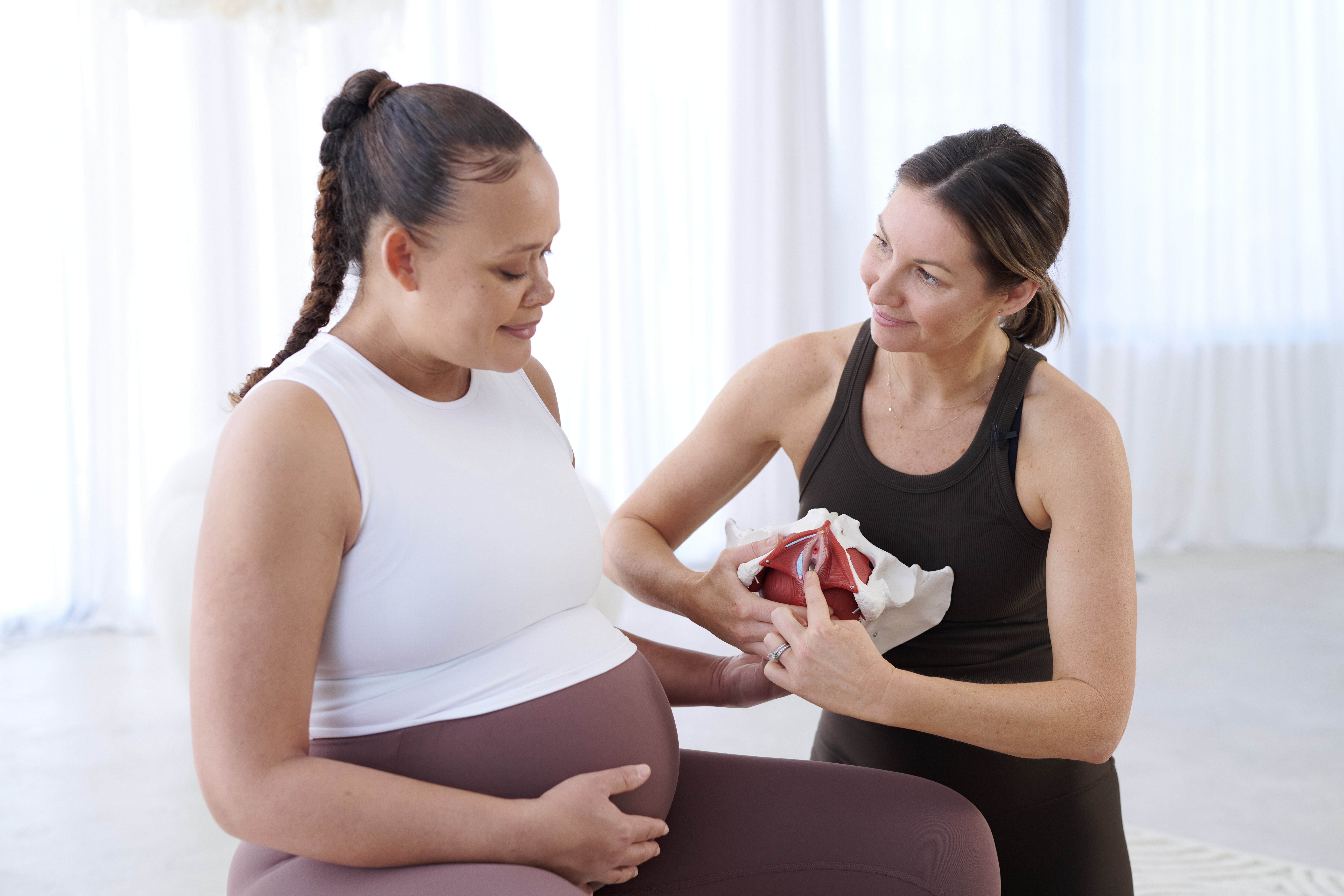
3. Make pelvic floor exercises part of your routine
Your pelvic floor works harder with every pregnancy.
Pregnancy hormones naturally soften the pelvic floor muscles and connective tissues, and many women notice these changes earlier in a second pregnancy.
Learning how to correctly activate your pelvic floor and practising daily can help support your bladder, bowel and pelvic organs throughout pregnancy and beyond.
4. Stay hydrated and support healthy bowel habits
Drinking enough water is important throughout pregnancy.
Good hydration supports healthy blood volume, amniotic fluid and breastfeeding preparation, while also helping prevent constipation.
Straining during bowel movements places additional pressure on the pelvic floor, increasing the risk of pelvic floor symptoms, haemorrhoids and vulval varicosities.
Simple habits like drinking enough water and using good toileting techniques can help reduce unnecessary strain.
5. Strengthen your glutes
Your glute muscles provide important support for your pelvis during pregnancy.
As pregnancy hormones soften connective tissue, your glutes may become weaker if they aren't regularly challenged.
Strong glutes can help improve pelvic stability, reduce the likelihood of pelvic girdle pain and support your recovery after birth.
6. Focus on your posture
Good posture plays an important role in supporting your core and pelvic floor.
Strengthening the muscles that help maintain healthy posture may reduce neck, back and shoulder discomfort while supporting your changing body throughout pregnancy.
Small adjustments throughout the day can make everyday activities feel more comfortable.
7. Encourage your toddler's independence
Preparing for a second baby isn't only about preparing your body.
Helping your toddler become more independent can reduce the physical demands placed on you during pregnancy and after birth.
Simple skills may include:
- Climbing into the car independently
- Walking up stairs with supervision
- Standing in the cot before being lifted
- Climbing onto a safe step for easier lifting
These small changes can reduce repetitive lifting and help protect your back and pelvic floor.
8. See a Women's Health Physiotherapist
A Women's Health Physiotherapist can help assess how your body recovered after your first pregnancy and birth.
They can provide individual guidance on:
- Pelvic floor function
- Core recovery
- Managing pregnancy symptoms
- Preparing for birth
- Planning your postnatal recovery
Seeking support early allows you to address concerns before they become bigger challenges.
9. Support your mental wellbeing
Preparing for another baby isn't just physical.
Many second-time mums experience anxiety about balancing two children, changing family dynamics or repeating a difficult birth experience.
If you're feeling overwhelmed, anxious or emotionally affected by your previous pregnancy or birth, seeking support from a psychologist or counsellor can be incredibly valuable.
Looking after your emotional wellbeing is just as important as looking after your physical health.
10. Listen to what your body needs
Pregnancy while caring for another child can be physically and emotionally demanding.
It's easy to put your own needs last, but your wellbeing matters too.
Try to make time for rest, accept help when it's offered and prioritise activities that help you feel calm, supported and recharged.
Looking after yourself isn't selfish, it helps you care for both your growing baby and your family.
Preparing for your second pregnancy
Get your Free Physio-led Pelvic Floor and CoreWorkouts
Download three free videos for either pregnancy or postpartum.